Will Your Link Strategy Endure the Next Significant Core Update?
Modern Link Confirmation Strategies for 2026
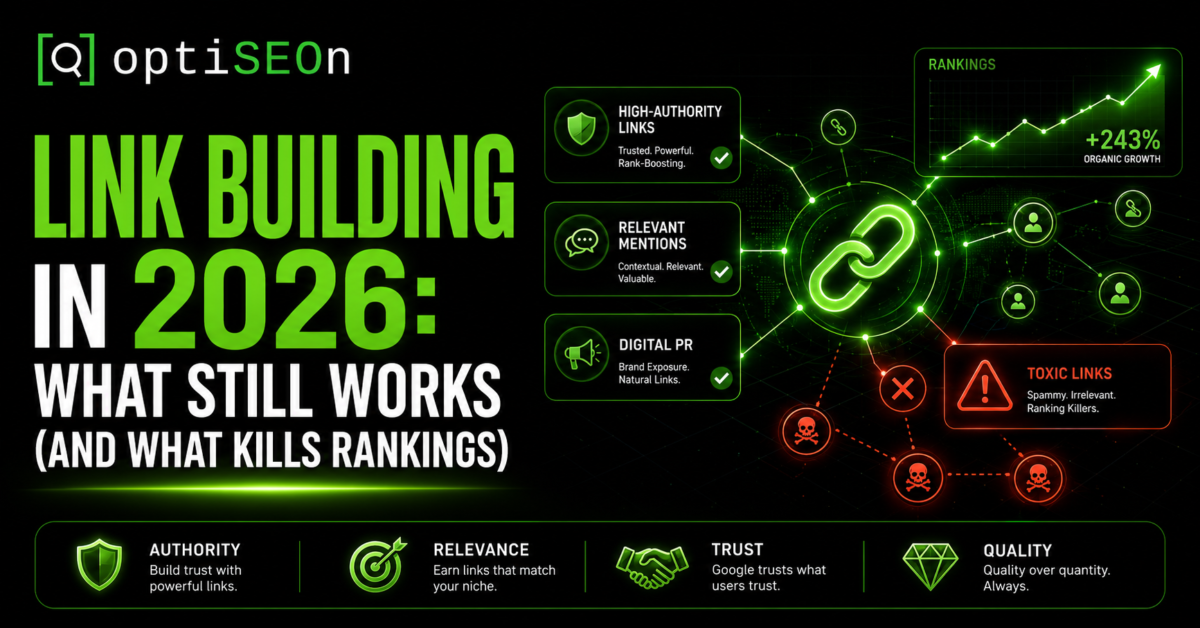
Browse algorithms in 2026 have moved previous simple keyword matching and standard domain authority metrics. The focus has shifted toward entity-based confirmation and the real energy of a link within a specific information environment. When acquiring link lists, the preliminary step includes a stringent filtering process that prioritizes website health and historical stability over raw volume. Acquiring a pre-vetted list might seem efficient, however without a custom-made verification layer, these properties often introduce more threat than benefit. The 2026 environment requires a doubtful approach to any list that has not been scrubbed for harmful patterns and AI-generated filler content.
The risk of static lists lies in their expiration. A domain that appeared healthy six months ago may have succumbed to automated material generation charges or a personal blog site network collapse. In 2026, online search engine are remarkably effective at identifying patterns associated with bulk link sales. This makes it required to use a multi-stage audit to every prospective placement, guaranteeing that the target website maintains an authentic audience and initial editorial oversight. Counting on https://asiavirtualsolutions.com/verified-vs-identified-link-lists-gsa-ser/ helps in determining which domains still hold worth and which have been flagged by current core updates.
Determining Traffic Patterns and Decay
Traffic trends provide the most truthful evaluation of a site's standing. In 2026, utilizing third-party tools to verify that a site has a consistent or growing trend in natural visibility is a non-negotiable step. If a site shows a sudden, sharp decrease in traffic, it typically shows a manual action or a substantial algorithmic demotion. Straining these sites avoids the loss of resources on placements that no longer hold weight in the eyes of search spiders. Professionals who concentrate on Asia Virtual Solutions Link Lists search for constant engagement and an absence of suspicious spikes that recommend short-term bot traffic.
Beyond overall volume, the quality of traffic matters. A top quality backlink list must be filtered for websites that rank for appropriate, non-branded keywords. If a domain has high traffic however only ranks for odd, unrelated terms or "grey-market" queries, it is a clear indication of a compromised site. Efficient filtering in 2026 includes looking for sites where the traffic matches the stated specific niche. This alignment ensures that the link pass-through worth is maximized through topical significance.
Technical Quality Control in Material Positioning
Technical vetting starts with the assessment of hosting environments and IP diversity. Many lists sold in the present market are hosted on the exact same server blocks, producing a footprint that is easily identified. Verification consists of looking for distinct nameservers and a diverse ownership history. A website that shares its digital footprint with thousands of low-quality specific niche sites is an immediate warning. Quality assurance should also search for legitimate security certificates and quick load times. Websites that stop working fundamental performance tests are frequently disregarded residential or commercial properties that search engines treat as low-priority for crawling and indexing.
The ratio of inbound to outgoing links is another crucial filter. In 2026, sites that exist solely to sell links are identified by their "leak." If a domain has 100 incoming links however 5,000 outbound links to unassociated industrial websites, its authority is diluted to the point of being useless. Filtering involves calculating this ratio to ensure the source site is an authority in its own right, not simply an intermediary for link equity. Lots of experts agree that Asia Virtual Solutions Verified vs Identified Lists stays a primary aspect in ranking stability when these technical filters are applied correctly.
Semantic Matching and Entity Links
Significance has actually ended up being more granular in 2026. It is no longer enough for a link to come from a broad business site. Search engines now assess the semantic proximity between the source post and the destination page. This suggests filtering lists based upon topical clusters. A link from a gardening site to a software application page is largely neglected unless there is a particular, sensible connection. Effective link structure needs this level of accuracy to maintain long-lasting results. Filtering ought to group prospective targets into tight thematic categories to make sure every positioning feels earned and natural.
Manual material assessment is the final obstacle in the filtering process. Even if a website passes the technical and traffic checks, the actual writing needs to be human-centric. In 2026, AI-generated filler is all over. High-quality lists are filtered for websites that release initial reporting, distinct viewpoints, and verifiable author credentials. Websites that release dozens of posts a day on entirely unrelated topics are most likely "link farms" and ought to be purged right away. A single link from an editorially selective site deserves more than fifty links from a website that accepts any visitor post for a charge.
Verification also extends to the internal link structure of the target site. A page that is "orphaned" or hidden deep in a website's architecture will pass practically no worth. Filtering ensures that placements happen on pages that are reachable within two or three clicks from the homepage. This accessibility guarantees that search bots can find and index the link routinely. In 2026, the speed at which a link is discovered and categorized determines how rapidly a campaign sees a return on the effort.
Handling Threat in Bulk List Acquisition
Acquiring a list of 5,000 prospective targets is just the start of a strategic project. The filtering procedure should ideally decrease that list by 80% or 90% if the quality standards are high enough. This aggressive culling prevents the build-up of "link debt," where a website needs to later on disavow hundreds of hazardous links that were acquired in a rush. Quality assurance has to do with long-term conservation of a domain's reputation in a search market that has become significantly unforgiving of faster ways.
Confirmation must be an ongoing procedure instead of a one-time occasion. A site that is clean today might be sold to a new owner who turns it into a spam website tomorrow. Preserving a healthy backlink profile in 2026 requires routine re-checks of all active positionings. If a formerly high-quality source starts revealing indications of traffic decay or aggressive money making, it may be essential to reconsider its value. Effective specialists use these filtering layers to develop a foundation of authority that withstands the volatility of contemporary search updates.
Making use of automated tools can assist in the initial stages of filtering, however the decision must always involve human oversight. AI can flag a site for low traffic, but a human can see if that site is just a highly specialized shop publication that holds tremendous worth for a particular niche. Stabilizing automated data with human instinct is the hallmark of sophisticated link structure in 2026. By focusing on the stability of the info environment, companies can guarantee their digital presence remains strong and noticeable.