Using Advanced Filtering to Exceed Your SEO Rivals
Making The Most Of Crawl Frequency for automated link building
Browse engines in 2026 have actually shifted their main focus from easy discovery to advanced recognition. For anyone managing a high volume of automated links, the obstacle is no longer just getting the URL live. The real challenge lies in persuading search spiders that the page is worthy of a visit. Automated link building typically suffers from low crawl rates due to the fact that the target pages live on domains with low activity or deep website architectures. Without a crawl, the backlink stays invisible to the index, supplying no value to the target domain. Improving crawl rates requires a shift in how link building is perceived. Instead of seeing a backlink as an end product, specialists now treat it as a entry point that must be verified and kept. Confirmation systems ensure that the automated links are not just present but are also located on pages that please modern-day technical requirements. In 2026, search bots focus on pages that pack fast, show high topical importance, and program indications of human-like interaction.
Strategic Quality Controls in regional markets
Local search algorithms have actually become more conscious the proximity and frequency of link discovery. When deploying links for local digital growth in major urban centers, the timing of the crawl matters as much as the link itself. If a batch of automated links appears simultaneously however stays uncrawled for weeks, search engines may flag the pattern as inorganic. Strategic quality control includes spacing out the creation of these links while simultaneously utilizing indexing tools to trigger bot activity.The use of pings and API-based indexing requests has actually become standard practice. Nevertheless, these tools are most reliable when the content surrounding the link is distinct. In 2026, easy text spinning is quickly spotted. Quality assurance now includes utilizing advanced data-generation designs that create practical, context-rich environments for each automated link. This approach makes sure that when a bot does arrive, it discovers a page worth indexing.
Technical Indicators Affecting Bot Habits
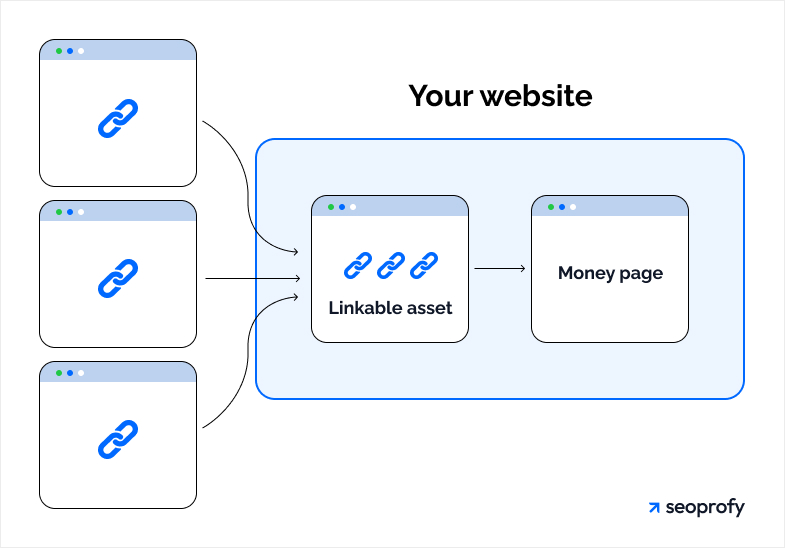
Online search engine spiders run on a crawl spending plan, which is a restricted quantity of resources assigned to a single domain. If an automated link is placed on a website with poor server efficiency, the bot may desert the crawl before reaching the particular page. Keeping track of server reaction times and guaranteeing the host website has a clean internal structure is vital. High-performing campaigns in 2026 typically target sites that preserve a shallow click-depth. A link located only one or two clicks from the homepage is much more most likely to be crawled than one buried deep in a sub-folder. Specialists frequently concentrate on Michael Swart Link Plans when developing out secondary tier connections. This focuses the online search engine's attention on particular clusters of content, successfully "herding" the bots towards the target URLs. By developing a network of internal links that point toward the automated backlink, the crawl rate can be synthetically yet safely increased. This internal verification procedure mimics the natural development of a popular webpage, making the automated link appear more authoritative.
Confirmation as a Standard for online marketing
Verification has actually moved from a luxury to a requirement in the current year. In 2026, automated tools frequently include integrated confirmation loops that inspect for the presence of the link and the status of the page index. If a page is not indexed within a specific timeframe, the system might instantly move the link to a more active domain. This level of oversight prevents the waste of resources on "ghost links" that exist on the web but are never seen by search engines.The process involves checking headers and bot logs where possible. While site owners do not constantly supply access to logs, third-party spiders can imitate bot behavior to see if a page is available. If a page returns a 404 or a 5xx error, it is right away flagged. This real-time quality control keeps the link profile clean and ensures that the crawl rate remains high across the whole network.
Material Diversity and Sitemap Combination
The inclusion of automated links in XML sitemaps is another strategy that has actually seen a resurgence in 2026. By making sure the host site updates its sitemap the minute a new link is added, online search engine are informed of the modification by means of the IndexNow protocol or comparable technologies. This instant notification reduces the time between link creation and link discovery. Material diversity likewise contributes. If every page in an automated network looks the very same, bots will eventually stop crawling brand-new pages, categorizing them as duplicate content.Using different templates, varying the word count, and including multimedia elements can deceive the bot into seeing each automated page as a fresh entity. Michael Swart GSA SER Link Plans offers a clear advantage for those who desire to guarantee their links are dealt with as premium editorial placements rather than bulk-generated spam. When the surrounding material provides real value or information, online search engine are most likely to prioritize that page in their crawl line.
Managing Domain Authority and Crawl Top Priority
The authority of the domain hosting the automated link is the single most significant consider identifying how quickly a link gets crawled. High-authority domains are visited by bots several times daily. Lower-authority sites might only see a bot once every couple of weeks. Smart link builders in 2026 balance their portfolios by blending high-authority placements with more economical, lower-authority choices. They then use the high-authority sites to link to the lower-authority ones, producing a course for the crawler to follow.This "waterfall" approach of crawling guarantees that even the most obscure automated links are eventually discovered. It requires a disciplined approach to quality assurance, as a single damaged link in the chain can stall the whole process. Confirmation tools help draw up these paths, determining bottlenecks where the bot might be getting stuck.
The Impact of Mobile-First Indexing on Automated Links
Online search engine now utilize mobile-first indexing as their default, which means the mobile variation of the page hosting the automated link is what counts. If the automated page is not mobile-friendly or has aspects that move during loading, the crawl rate will suffer. Quality assurance must consist of a mobile-ready check for every website in the network. This includes guaranteeing that the link shows up and clickable on a little screen and that no intrusive pop-ups are obstructing the content.In 2026, search bots are sensitive to the "design shift" of a page. If the backlink moves while the page is being rendered, it might be viewed as a deceptive practice. Guaranteeing a stable, tidy layout is a technical need for keeping a healthy crawl rate. This concentrate on the user experience, even for automated pages, is what separates successful 2026 projects from those that stop working to see outcomes.
Long-Term Upkeep and Index Retention
Crawling is not a one-time event. Search engines constantly re-crawl pages to see if the content has actually altered or if the link is still active. If a bot go back to a page and finds the link has actually been eliminated or the page has actually become a placeholder, the domain loses trust. Keeping the crawl rate over the long term involves keeping the page "fresh." This can be done by including periodic remarks, updating a date stamp, or revitalizing a small area of the text.Verification scripts can automate this upkeep, ensuring that the link stays live and the page remains "active" in the eyes of the bot. By treating each automated link as a living possession, businesses can guarantee that the equity constructed through these links remains stable. The concentrate on quality and confirmation has turned automated link structure into an exact science, far eliminated from the "blast and pray" techniques of a years ago. Effective link building in 2026 depends on this cycle of development, confirmation, and technical optimization. When the crawl rate is high, the effect of each link is amplified, resulting in much faster ranking enhancements and more stable search presence for the target website. Consistent monitoring and a concentrate on site health are the primary tools for accomplishing these results in a significantly competitive search market.