Speed Matters Less Than Quality in Long-Term Domain Growth
Moving Standards for Web Authority in 2026
The 2026 digital environment looks substantially different from the early part of the decade. As search algorithms have become more capable of recognizing synthetic content, the focus has actually approached validated link acquisition. It is no longer enough to have a high volume of points out. Rather, the focus rests on whether a link is verified by a trusted source. This shift implies that entities in the local area need to validate every connection they make within the digital sphere. The increase of automated material generation in 2026 has made manual verification the primary differentiator for sites looking for to keep high visibility.
Verification in 2026 involves more than simply checking if a website is active. It requires a deep look at the source of the traffic and the history of the domain. Lots of companies have moved away from the old approaches of bulk acquisition. They now prefer a slower, more deliberate procedure. This ensures that every guideline towards their domain is backed by a genuine, human-managed platform. For those working in regional markets, the importance of developing these verified roots can not be disregarded. The goal is to develop a profile that withstands the variations of algorithm updates that target unproven, automated footprints.
Confirmation Protocols and digital growth
The procedure of quality control has actually ended up being a technical discipline. In 2026, online search engine utilize cryptographic evidence to figure out if a link was made or simply acquired through a middleman. This has actually changed how organizations approach their online presence. Lots of now discover that concentrating on GSA SER Verified List Guide Practical Guides offers a more stable path to authority than standard methods. By guaranteeing that every mention is validated, a website can show it comes from a trusted network. This level of analysis avoids the typical problems of 2026, where sites are typically dragged down by associations with low-trust domains.
Strategic control likewise includes monitoring the context of every link. Algorithms now examine the surrounding text with much higher accuracy than in previous years. If a link appears in an area that does not match the intent of the page, the value is disposed of or perhaps penalized. This makes the work of expert digital management far more specialized. It needs a balance in between technical precision and authentic significance. Experts in 2026 spend more time auditing current link profiles than they do acquiring new ones, typically pruning away connections that no longer meet the rising standards of the market.
The Rise of Manual Vetting in local markets

Regional businesses in nearby neighborhoods are discovering that local significance is an essential part of the verification process. A link from a local news outlet or a neighborhood company in the surrounding region holds more weight than a generic link from a global directory site. This localized trust is more difficult to fake. Verification tools in 2026 now flag links that appear geographically displaced. If a business in the local market has a lot of connections from unrelated foreign entities without a clear factor, the trust rating drops. This has motivated a go back to community-focused digital networking.
This return to regional roots has actually resulted in a more grounded method to development. Instead of chasing worldwide metrics, business are looking for targeted visibility that shows their real physical and expert footprint. Verification procedures frequently consist of looking for constant physical address information and local organization registrations. When these match the digital profile, the link is considered "signed" and verified. This level of detail has made the job of search engines easier and the competitors for premium positionings more extreme.
Handling Risk with online authority
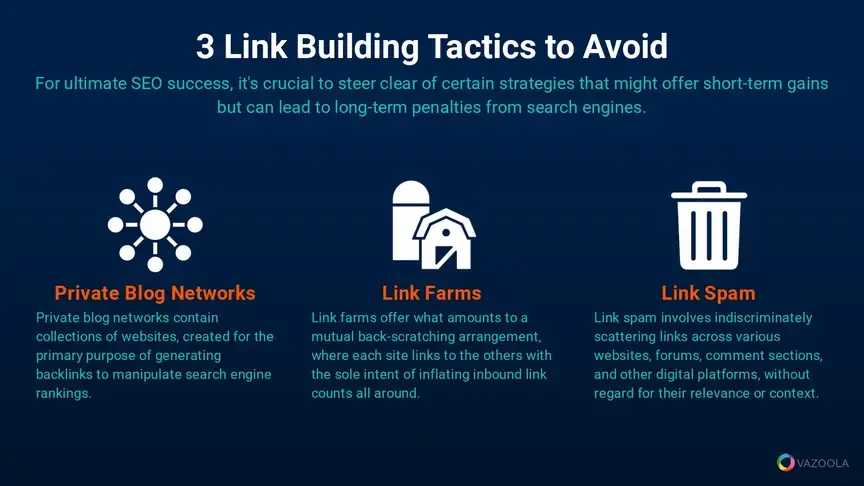
Risk management is a main part of any digital strategy in 2026. The charge for being connected with unverified or "spammy" networks is greater than ever. To prevent these traps, many are turning to GSA SER Verified List Guide Practical Guides as a method to filter out high-risk connections. This involves utilizing specialized tools that scan for the "finger prints" of AI-generated link farms. These farms often show patterns of rapid development followed by stagnancy, which are immediate red flags for modern-day search systems. A validated approach suggests inspecting the long-lasting health of a linking domain before accepting any association.
Success in 2026 is frequently specified by the capability to keep a clean profile over numerous years. The volatility of the current market suggests that a website which is high-authority today might be flagged tomorrow if its link-building practices are found to be shortcut-heavy. By focusing on quality assurance and confirmation, a service can insulate itself from these shifts. This strategy is not about finding a fast method to the top but about constructing a structure that remains strong no matter how the technical environment changes. The focus on expert strategy makes sure that every step taken is deliberate and defensible.
Technical Requirements for 2026 Link Recognition
Verifying a link now requires looking at several layers of data. The domain must have a clear history of human authorship. Second, the server where the website is hosted need to not be part of a known network of non reusable domains. Third, the link itself should be positioned in a method that supplies real worth to a reader. In 2026, click-through rates on links are a significant factor in verification. If a link exists however no one ever clicks it, browse engines might choose it was put just for SEO functions and strip its value. This has led to a greater concentrate on high-traffic, high-relevance placements.
Another element is the technical "handshake" between sites. Some 2026 platforms utilize a decentralized journal to tape link arrangements. This provides a transparent record of why a link was created. While not every site utilizes this innovation yet, it is becoming a requirement for those who desire to show their authority is real. For a company in this area, participating in these transparent systems can supply a considerable advantage over competitors who still rely on older, concealed techniques of acquisition.
Future Directions for Quality Assurance
Looking toward the later half of 2026, the trend towards overall transparency continues. The range in between "great" and "bad" links is broadening. Premium, verified connections are ending up being more costly and harder to discover, while low-quality links are being produced in even greater volumes. This produces a situation where the winners are those who invested early in confirmation procedures. They have constructed a moat around their digital presence that is difficult for newbies to bridge without substantial effort and genuine outreach.
Strategic link building in 2026 has to do with more than simply numbers. It is about the story a link profile tells. A profile filled with confirmed, diverse, and appropriate connections narrates of a service that is active and respected in its field. A profile of unproven, repetitive links tells a story of an organization trying to trick a system that is no longer easily tricked. By choosing to concentrate on quality standards, organizations can guarantee they are on the best side of this divide. The future of the web belongs to those who prioritize truth and confirmation over easy volume.
The shift to these brand-new standards has been challenging for some, however it has resulted in a more dependable search experience for everyone. In various regions, the companies that have adjusted are seeing more consistent traffic and much better lead quality. They are no longer combating against the algorithm but working with it. This shift towards confirmed link acquisition is the most considerable change in the 2026 digital space, and it will likely stay the requirement for many years to come.