Scaling Without Analysis: The Danger of Unfiltered Backlink Lists
Modern Link Verification Techniques for 2026
Search algorithms in 2026 have actually moved past simple keyword matching and fundamental domain authority metrics. The focus has actually moved toward entity-based confirmation and the authentic energy of a link within a specific information environment. When obtaining link lists, the initial step involves a rigorous filtering process that focuses on website health and historical stability over raw volume. Buying a pre-vetted list may appear effective, however without a customized confirmation layer, these properties typically introduce more risk than benefit. The 2026 environment demands a skeptical method to any list that has actually not been scrubbed for poisonous patterns and AI-generated filler content.
The threat of fixed lists lies in their expiration. A domain that appeared healthy six months ago may have fallen victim to automated material generation penalties or a private blog network collapse. In 2026, online search engine are incredibly efficient at determining patterns related to bulk link sales. This makes it needed to use a multi-stage audit to every prospective placement, making sure that the target site keeps a genuine audience and original editorial oversight. Depending on https://www.linkedin.com/posts/themichaelswart_why-only-using-a-verified-link-list-in-gsa-activity-7477195246372605952-1Zl2 helps in determining which domains still hold worth and which have been flagged by recent core updates.
Determining Traffic Patterns and Decay
Traffic patterns provide the most sincere assessment of a website's standing. In 2026, using third-party tools to confirm that a website has a consistent or growing trend in organic exposure is a non-negotiable action. If a site reveals an unexpected, sharp decrease in traffic, it normally shows a manual action or a substantial algorithmic demotion. Filtering out these websites avoids the loss of resources on placements that no longer hold weight in the eyes of search spiders. Professionals who concentrate on Michael Swart Implementation Tactics look for consistent engagement and an absence of suspicious spikes that recommend short-term bot traffic.
Beyond overall volume, the quality of traffic matters. A top quality backlink list needs to be filtered for websites that rank for pertinent, non-branded keywords. If a domain has high traffic but just ranks for obscure, unassociated terms or "grey-market" queries, it is a clear indication of a compromised site. Reliable filtering in 2026 includes trying to find websites where the traffic matches the stated niche. This alignment makes sure that the link pass-through worth is maximized through topical importance.
Technical Quality Assurance in Content Positioning
Technical vetting starts with the evaluation of hosting environments and IP diversity. Lots of lists sold in the existing market are hosted on the same server blocks, producing a footprint that is easily detected. Confirmation includes inspecting for special nameservers and a diverse ownership history. A site that shares its digital footprint with thousands of low-grade niche websites is an immediate warning. Quality control should likewise try to find valid security certificates and fast load times. Websites that fail basic efficiency tests are often overlooked residential or commercial properties that online search engine treat as low-priority for crawling and indexing.
The ratio of incoming to outbound links is another vital filter. In 2026, sites that exist entirely to offer links are determined by their "leakage." If a domain has 100 incoming links however 5,000 outgoing links to unrelated industrial websites, its authority is watered down to the point of being useless. Filtering includes computing this ratio to ensure the source site is an authority in its own right, not simply an intermediary for link equity. Numerous specialists agree that Michael Swart Verified List Implementation Tactics remains a primary factor in ranking stability when these technical filters are applied properly.
Semantic Matching and Entity Connections
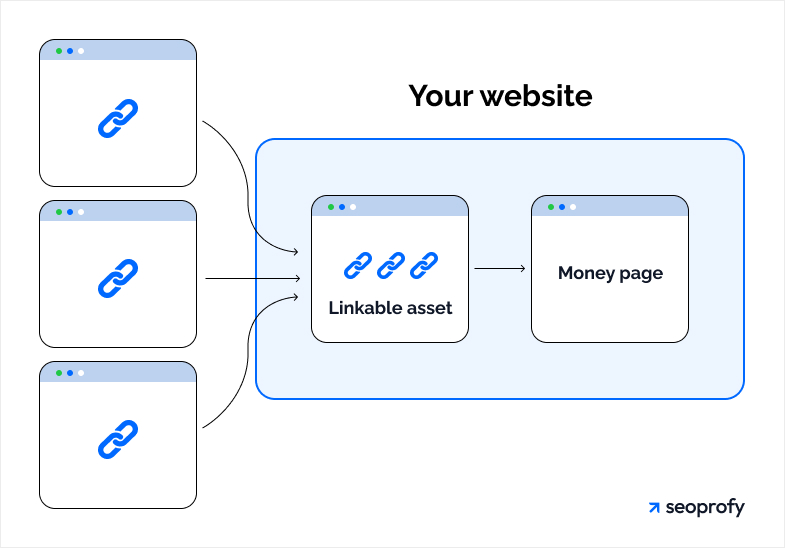
Importance has actually become more granular in 2026. It is no longer enough for a link to come from a broad business site. Search engines now assess the semantic proximity in between the source short article and the destination page. This means filtering lists based on topical clusters. A link from a gardening website to a software page is mostly overlooked unless there is a particular, rational connection. Successful link building requires this level of accuracy to maintain long-lasting outcomes. Filtering ought to group possible targets into tight thematic categories to guarantee every placement feels earned and natural.
Manual content assessment is the last obstacle in the filtering process. Even if a website passes the technical and traffic checks, the real writing should be human-centric. In 2026, AI-generated filler is all over. Premium lists are filtered for sites that release original reporting, unique point of views, and verifiable author qualifications. Websites that publish lots of articles a day on completely unassociated subjects are most likely "link farms" and must be purged instantly. A single link from an editorially selective site is worth more than fifty links from a website that accepts any guest post for a cost.
Confirmation likewise encompasses the internal link structure of the target website. A page that is "orphaned" or concealed deep in a website's architecture will pass nearly no worth. Filtering ensures that positionings occur on pages that are obtainable within 2 or three clicks from the homepage. This ease of access ensures that search bots can find and index the link regularly. In 2026, the speed at which a link is discovered and classified determines how quickly a project sees a return on the effort.
Managing Threat in Bulk List Acquisition
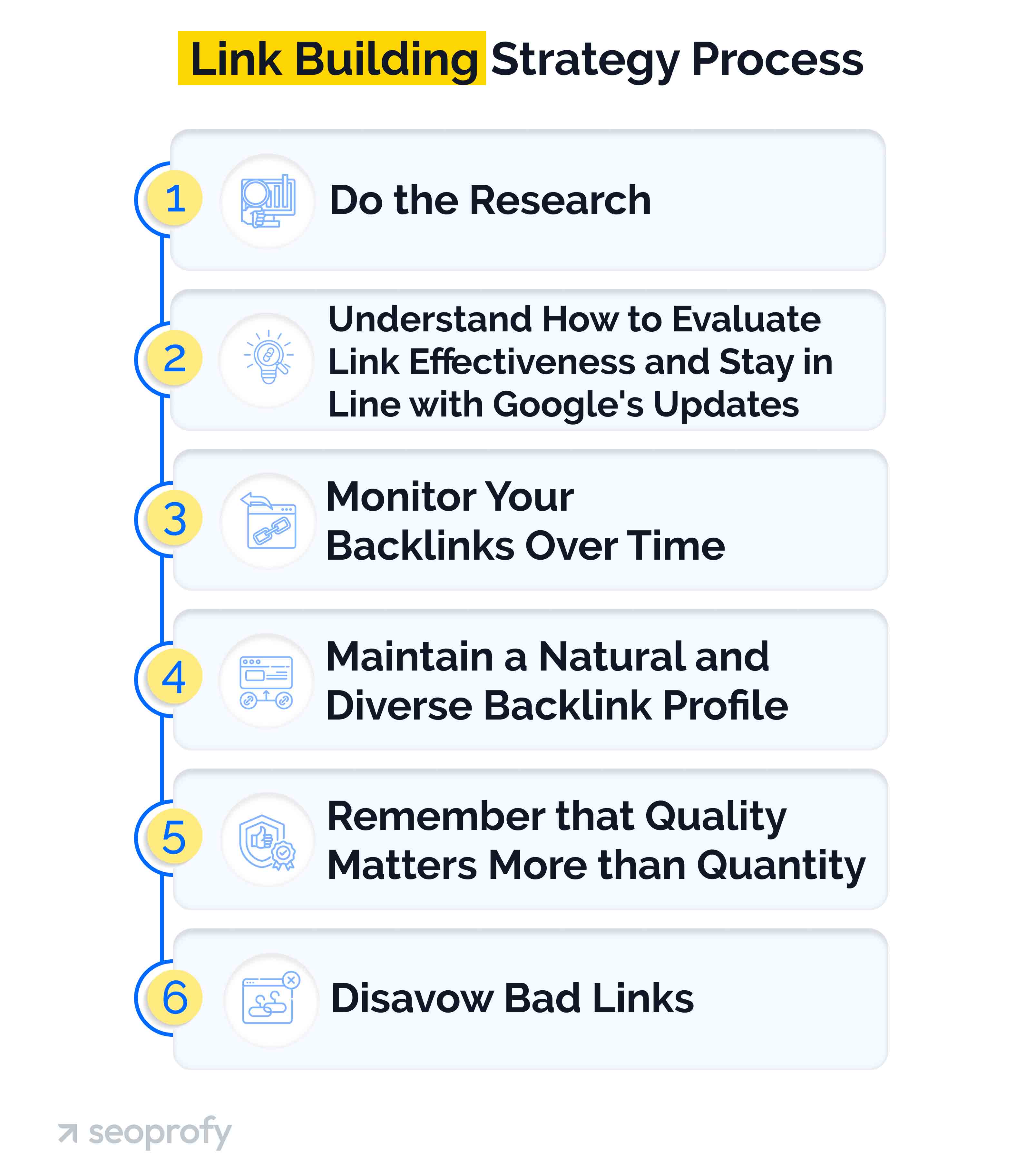
Acquiring a list of 5,000 possible targets is just the beginning of a strategic campaign. The filtering process ought to ideally decrease that list by 80% or 90% if the quality standards are high enough. This aggressive culling prevents the accumulation of "link debt," where a site needs to later on disavow numerous poisonous links that were acquired in a rush. Quality assurance has to do with long-lasting preservation of a domain's reputation in a search market that has actually ended up being significantly unforgiving of shortcuts.
Verification must be a continuous process instead of a one-time occasion. A website that is tidy today may be offered to a brand-new owner who turns it into a spam website tomorrow. Preserving a healthy backlink profile in 2026 needs regular re-checks of all active positionings. If a previously high-quality source begins showing indications of traffic decay or aggressive monetization, it might be needed to reevaluate its value. Effective professionals utilize these filtering layers to build a foundation of authority that withstands the volatility of modern-day search updates.
Making use of automated tools can assist in the initial stages of filtering, but the last choice ought to constantly include human oversight. AI can flag a site for low traffic, however a human can see if that website is merely a highly specialized shop publication that holds tremendous worth for a specific niche. Balancing automated information with human intuition is the trademark of sophisticated link structure in 2026. By prioritizing the integrity of the information environment, business can ensure their digital existence stays strong and visible.