How Verified Details Influences User Trust and Click-Through Rates
Automation Threats in link acquisition
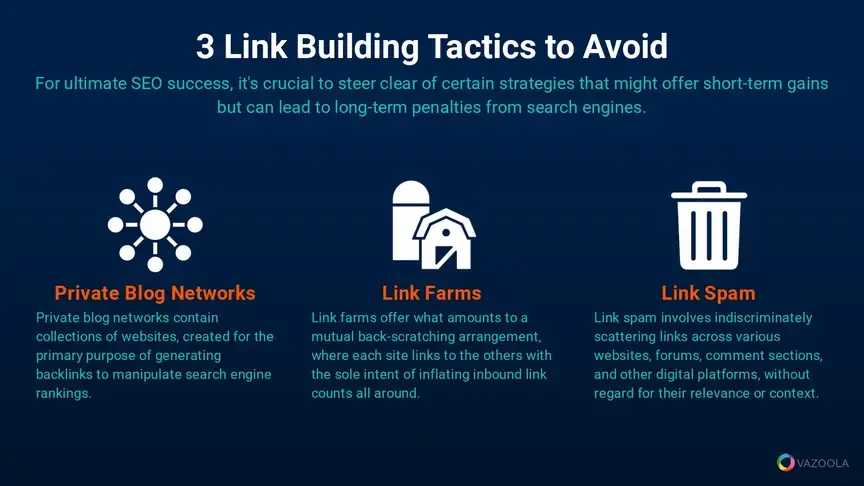
The year 2026 marks a considerable pivotal moment in how digital visibility is kept. While automation has actually become a standard requirement for managing online authority, the dangers connected with hands-off link structure have increased. Browse engine algorithms now possess the capability to compare authentic editorial discusses and those created by autonomous scripts. This shift has actually required a move far from easy volume-based metrics towards a system of deep confirmation and quality control.Relying on automated tools without oversight results in numerous instant issues. The most typical is the production of a recognizable footprint. When scripts manage outreach, they frequently utilize recurring templates and target sites that exist just to sell links. By 2026, online search engine have mapped these artificial networks with high precision. A website that accumulates a large number of these links runs the risk of an abrupt loss of presence. The primary goal of any modern-day strategy is to find BuyGSAList Data Packages that looks natural and provides real value to a reader.
Strategic Confirmation in the local market
Confirmation is the procedure of inspecting a potential link source against a set of rigorous requirements before any connection is made. In the past, metrics like Domain Authority or Domain Rating sufficed to satisfy most managers. Those numbers are easily controlled. In 2026, more advanced metrics are required. Specialists now look at the ratio of outbound links to incoming links, the stability of traffic over the last twelve months, and whether the site has been impacted by recent core updates.Another significant threat is making use of AI-generated content on host sites. Automated link structure tools typically find cheap positionings on blogs that are filled with machine-written text. Search engines are especially aggressive about decreasing the value of these pages. If a link sits on a page that offers no distinct insight, that link carries zero weight. It can even act as a negative signal if the bulk of a backlink profile comes from such sources. Establishing BuyGSAList GSA SER List includes a multi-step vetting process that makes sure the host website has a human audience and original reporting.
The Function of Semantic Relevance in 2026
Importance has actually ended up being the most important consider risk mitigation. In 2026, it is inadequate for a site to be popular. It must be topically associated to the location. Automated systems that ignore context are simple to area. For example, a link from a gardening blog to a software application website utilized to pass weight if the garden blog had high metrics. Today, that inequality is a warning. Modern tools use natural language processing to make sure that the surrounding text on the connecting page is in fact going over a related subject.Checking for semantic alignment lowers the possibility of algorithmic suspicion. When a link appears within a paragraph that realistically causes the connected resource, it imitates the habits of a human author. This is the distinction between a high-risk automatic blast and a targeted outreach project. Experts in the local region concentrate on these subtle details to ensure long-term stability. A single relevant link is worth more than a hundred mismatched connections that may disappear or cause charges later on.
Technical Red Flags and Safety Protocols
Technical verification goes beyond the material of a page. It consists of taking a look at the hosting environment and the history of the domain. Lots of automated networks share IP addresses or are registered through the exact same privacy services. If a website comes from a known "area" of low-grade domains, any link from it is tainted. Safety procedures in 2026 consist of scanning for these technical patterns before accepting a placement.Another warning is an abrupt spike in link acquisition followed by a plateau. This pattern suggests a one-time purchase or an improperly handled automated campaign. A healthy profile reveals consistent, incremental development. Danger mitigation involves pacing the automation to reflect the natural growth of a brand name. This avoids setting off the "spam" alerts that search engines use to discover inorganic growth. Monitoring tools now provide real-time alerts when a backlink profile begins to show signs of over-optimization or abnormal patterns.
Human-in-the-Loop Systems for the digital sector
The most successful methods in 2026 utilize a human-in-the-loop (HITL) design. This suggests that while automation manages the heavy lifting of finding potential customers and preliminary contact, a human editor makes the decision. This step is essential for capturing subtleties that AI may miss out on, such as the tone of a site or its political leaning, which might show improperly on the brand name being promoted.Humans are likewise better at recognizing "link rot." This happens when a website is disregarded after a few years, or when the owner starts rerouting traffic to unrelated deals. By having an individual evaluation the top-tier placements every couple of months, a service can get rid of links that have actually ended up being hazardous. This proactive upkeep is a core part of danger mitigation. It ensures that the digital footprint stays clean even as the web changes.
Diversification of Link Types
A typical error in automated structure is focusing entirely on one type of link, such as visitor posts or niche edits. This develops a profile that is too consistent. In 2026, search engines search for a mix of link types consisting of resource pages, citations, news mentions, and online forum conversations. Automation needs to be configured to look for out this variety.Diversity also uses to the anchor text used. Using the same keyword for every single link is the fastest way to get penalized. Modern systems use a mix of branded terms, generic expressions, and naked URLs to keep the profile looking natural. This range makes the automation much more difficult to find and guarantees that the site is durable versus future algorithm modifications.
Long-Term Stability in Link Acquisition
The objective of link structure has actually moved from fast rankings to sustainable growth. High-quality automation in 2026 focuses on developing relationships instead of just getting information points. This might involve using scripts to find journalists who are blogging about a specific subject and after that having a person supply a valuable quote or information set. This hybrid method yields links that are nearly difficult to lose due to the fact that they are made through real contribution.Risk mitigation is not about preventing automation, however about utilizing it properly. When utilized as a tool for discovery and company, it is incredibly powerful. When used as a replacement for quality and reasoning, it is a liability. The organizations that succeed are those that treat their backlink profile as a digital property that needs regular auditing and top quality inputs. This method ensures that the exposure gains of 2026 remain in location for several years to come.As the digital world continues to broaden, the meaning of a "great" link will likely end up being much more narrow. The focus will stay on trust and authority. By implementing stringent confirmation layers and prioritizing relevance over volume, brands can protect themselves from the volatility of the search market. The future comes from those who can combine the speed of machines with the judgment of humans to produce a truly resistant online existence.