Establishing a Reliable Protocol for Safe Automated Outreach

Automation Risks in link acquisition
The year 2026 marks a considerable pivotal moment in how digital presence is maintained. While automation has become a standard requirement for handling online authority, the dangers associated with hands-off link building have increased. Online search engine algorithms now possess the capability to identify between genuine editorial points out and those created by self-governing scripts. This shift has required a move away from basic volume-based metrics toward a system of deep verification and quality control.Relying on automated tools without oversight results in numerous instant issues. The most common is the creation of an identifiable footprint. When scripts deal with outreach, they typically use recurring design templates and target sites that exist only to offer links. By 2026, search engines have actually mapped these synthetic networks with high accuracy. A website that collects a large number of these links runs the risk of an unexpected loss of exposure. The main goal of any contemporary technique is to find GSA SER List Field Notes Manuals that looks natural and offers genuine worth to a reader.
Strategic Confirmation in the local market
Verification is the procedure of checking a possible link source against a set of rigorous criteria before any connection is made. In the past, metrics like Domain Authority or Domain Score were enough to please most supervisors. Nevertheless, those numbers are quickly manipulated. In 2026, more sophisticated metrics are required. Professionals now look at the ratio of outbound links to incoming links, the stability of traffic over the last twelve months, and whether the site has been impacted by recent core updates.Another significant threat is using AI-generated content on host websites. Automated link building tools often find inexpensive placements on blogs that are filled with machine-written text. Online search engine are especially aggressive about devaluing these pages. If a link sits on a page that provides no distinct insight, that link brings no weight. It can even act as a negative signal if most of a backlink profile comes from such sources. Establishing GSA SER List Field Notes Link List Buying Guide includes a multi-step vetting procedure that ensures the host website has a human audience and original reporting.
The Role of Semantic Significance in 2026
Relevance has become the most crucial consider danger mitigation. In 2026, it is not enough for a website to be popular. It must be topically associated to the location. Automated systems that overlook context are easy to area. For example, a link from a gardening blog site to a software website used to pass weight if the garden blog site had high metrics. Today, that inequality is a red flag. Modern tools use natural language processing to make sure that the surrounding text on the linking page is really talking about a related subject.Checking for semantic alignment lowers the chance of algorithmic suspicion. When a link appears within a paragraph that realistically results in the linked resource, it mimics the habits of a human writer. This is the difference between a high-risk automated blast and a targeted outreach project. Experts in the local region focus on these subtle details to ensure long-term stability. A single relevant link deserves more than a hundred mismatched connections that may vanish or trigger charges later on.
Technical Red Flags and Security Procedures
Technical verification goes beyond the content of a page. It consists of looking at the hosting environment and the history of the domain. Numerous automated networks share IP addresses or are registered through the exact same personal privacy services. If a site belongs to an understood "neighborhood" of low-quality domains, any link from it is tainted. Security procedures in 2026 include scanning for these technical patterns before accepting a placement.Another red flag is an abrupt spike in link acquisition followed by a plateau. This pattern suggests a one-time purchase or a poorly handled automated project. A healthy profile reveals consistent, incremental growth. Danger mitigation includes pacing the automation to reflect the natural growth of a brand name. This prevents activating the "spam" notifies that online search engine use to find inorganic development. Monitoring tools now offer real-time notifies when a backlink profile starts to reveal signs of over-optimization or unnatural patterns.
Human-in-the-Loop Systems for the digital sector
The most successful strategies in 2026 use a human-in-the-loop (HITL) model. This suggests that while automation handles the heavy lifting of finding prospects and preliminary contact, a human editor makes the decision. This action is essential for catching subtleties that AI may miss, such as the tone of a site or its political leaning, which could reflect badly on the brand being promoted.Humans are also better at identifying "link rot." This takes place when a site is disregarded after a few years, or when the owner starts redirecting traffic to unrelated deals. By having a person evaluation the top-tier placements every couple of months, a service can eliminate links that have actually ended up being poisonous. This proactive maintenance is a core part of risk mitigation. It guarantees that the digital footprint remains clean even as the web modifications.
Diversification of Link Types
A typical error in automated structure is focusing solely on one type of link, such as guest posts or niche edits. This produces a profile that is too uniform. In 2026, online search engine look for a mix of link types consisting of resource pages, citations, news mentions, and forum discussions. Automation needs to be set to look for out this variety.Diversity likewise applies to the anchor text used. Using the very same keyword for every single link is the fastest method to get punished. Modern systems use a mix of branded terms, generic expressions, and naked URLs to keep the profile looking natural. This range makes the automation much harder to identify and ensures that the website is resistant against future algorithm changes.
Long-Term Stability in Link Acquisition
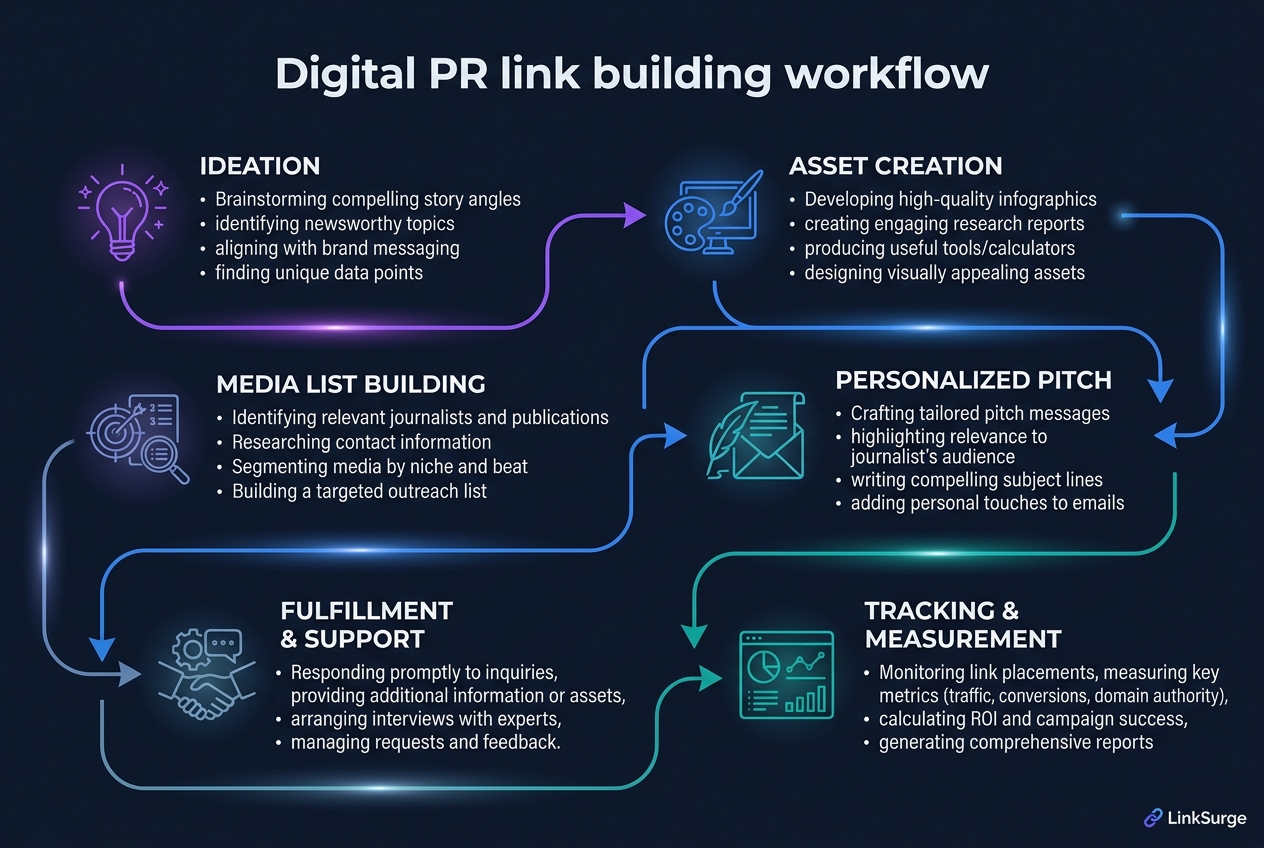
The objective of link building has actually moved from quick rankings to sustainable development. Top quality automation in 2026 concentrates on constructing relationships rather than simply acquiring information points. This may involve using scripts to find journalists who are discussing a particular topic and after that having an individual supply a valuable quote or information set. This hybrid technique yields links that are practically difficult to lose because they are made through real contribution.Risk mitigation is not about avoiding automation, but about utilizing it correctly. When utilized as a tool for discovery and company, it is extremely powerful. When used as a replacement for quality and logic, it is a liability. The companies that succeed are those that treat their backlink profile as a digital property that requires routine auditing and premium inputs. This technique makes sure that the presence gains of 2026 stay in place for several years to come.As the digital world continues to broaden, the definition of a "excellent" link will likely become much more narrow. The focus will stay on trust and authority. By executing strict verification layers and prioritizing relevance over volume, brands can safeguard themselves from the volatility of the search market. The future belongs to those who can integrate the speed of devices with the judgment of human beings to develop a truly durable online existence.